
SolarWhiz roof ventilation
SolarWhiz suitability and installation in Sydney
SolarWhiz is one option for actively moving air from a roof cavity using available solar energy. EG Technics assesses the roof and application before confirming the system and installation scope.
The situation
A known product still needs the right application
Choosing a brand or model is only one part of the decision. Roof configuration, solar exposure, intake airflow, access and the actual heat or moisture problem influence the result.
A practical response
Match the system to the property
EG Technics discusses SolarWhiz within a practical roof-ventilation assessment. The recommendation and quote are based on the available site information rather than generic performance promises.
Suitability
When this service may be worth discussing
A homeowner comparing powered roof ventilation options
A roof with suitable solar exposure and installation access
Residential or commercial roof-cavity heat requiring assessment
A customer who already has SolarWhiz in mind and wants application-specific advice
How we approach it
Assessment before recommendation
Every roof, subfloor and commercial space has different access, airflow and operating conditions. We first review the full address, supplied photos and available map or street-view information; an on-site visit is arranged only when the property or installation conditions need checking.
- 01
Discuss the building, roof and main ventilation concern.
- 02
Review solar exposure, access, cavity layout and available intake airflow.
- 03
Confirm the current system option and installation scope for that application.
- 04
Provide a quote or explain what further assessment is needed.
Manufacturer reference
Residential models and control options
The current Solar Whiz product page lists SW-AU-R-28 and SW-AU-R-40 residential models. Published capacity is useful for comparison, but it does not determine the result in a particular roof without suitable replacement-air paths and installation conditions.
- SW-AU-R-28: 1,700 m³/h published capacity; 28 W PV panel
- SW-AU-R-40: 2,300 m³/h published capacity; 40 W PV panel
- Optional Constant Current Module can supplement solar power for night or low-sun operation
- Optional adjustable thermostat provides operating control
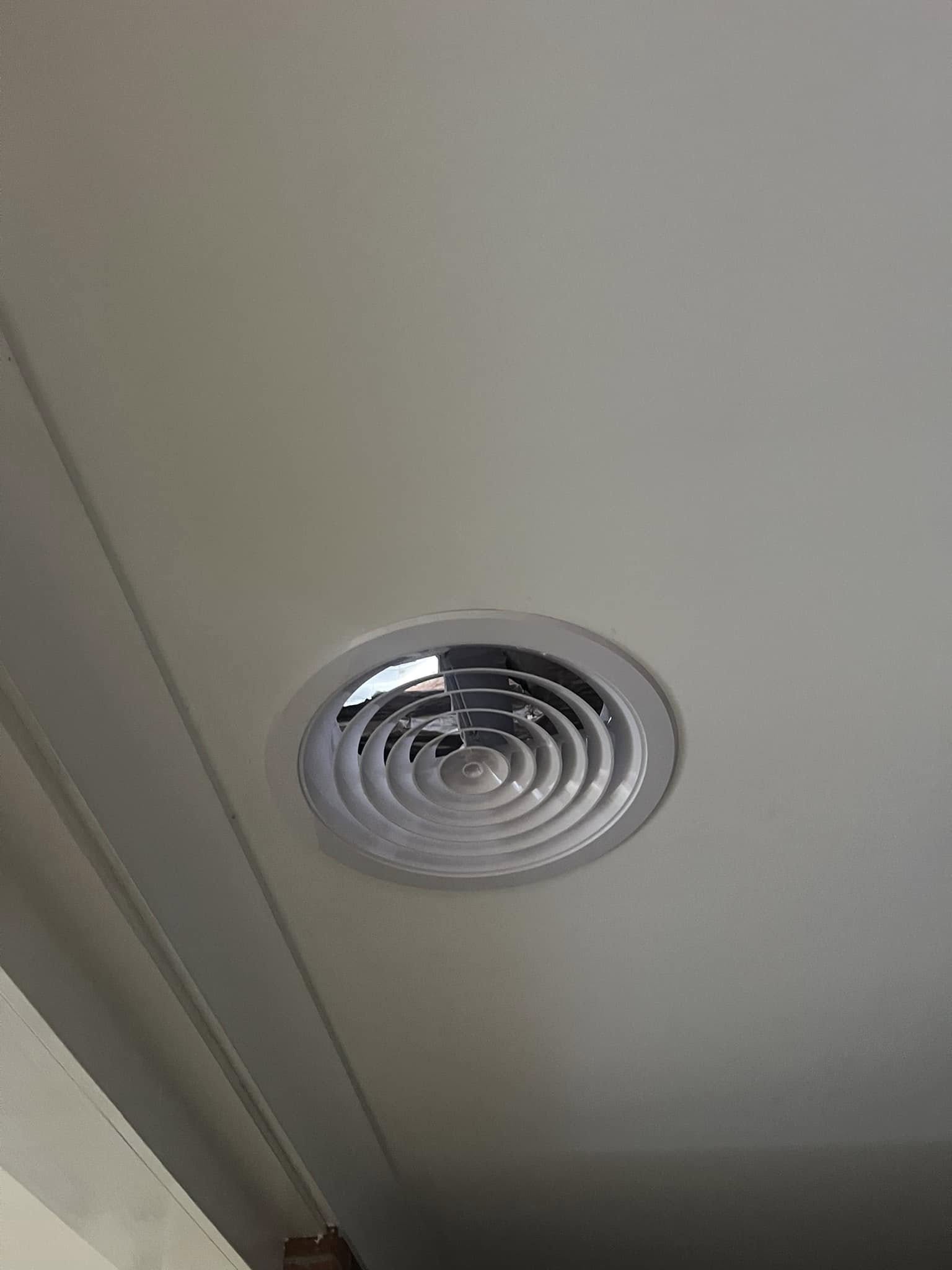
- Standard roof-space extraction, ceiling-vent extraction and ducted extraction are shown as different arrangements
Project evidence
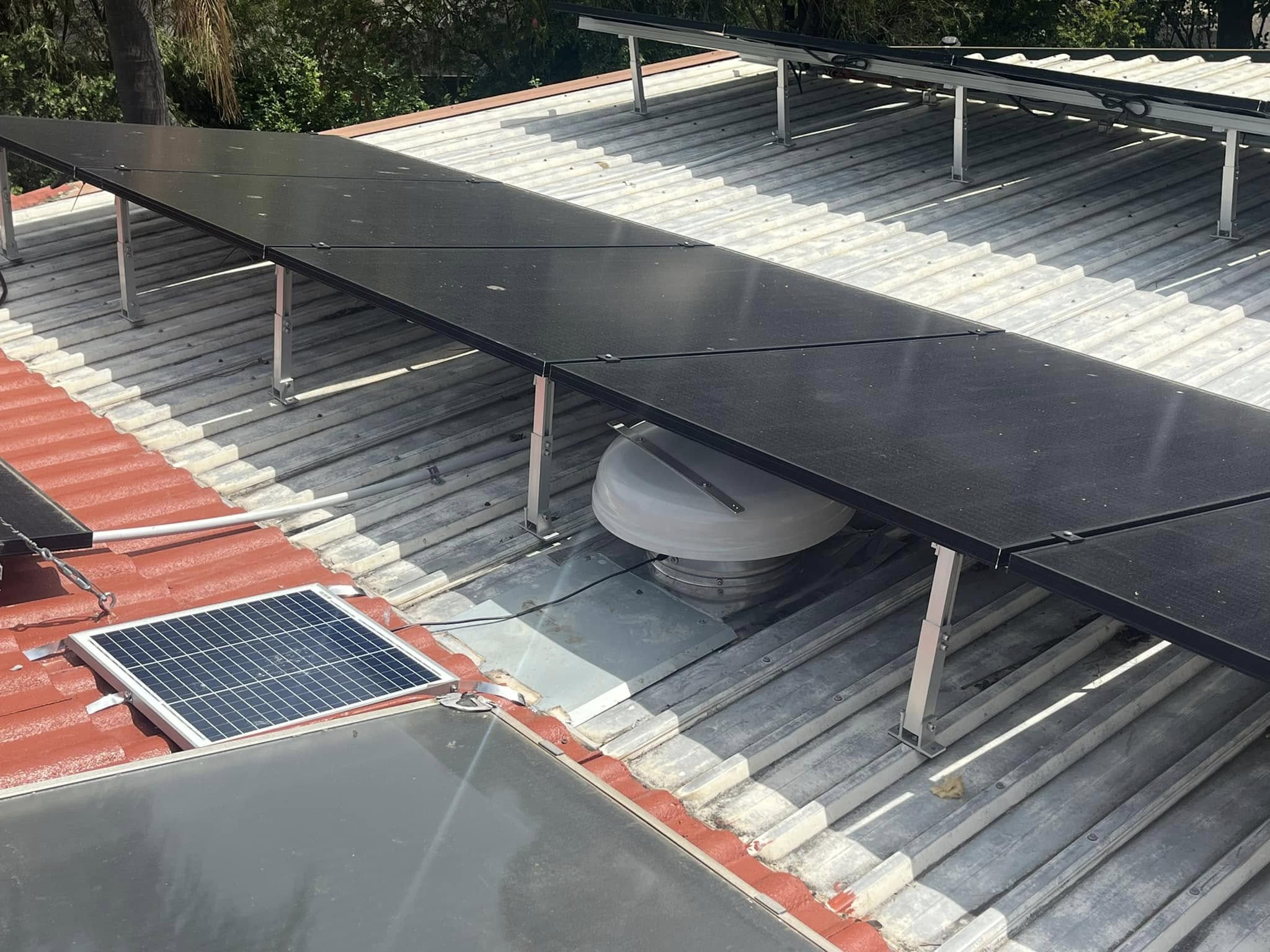
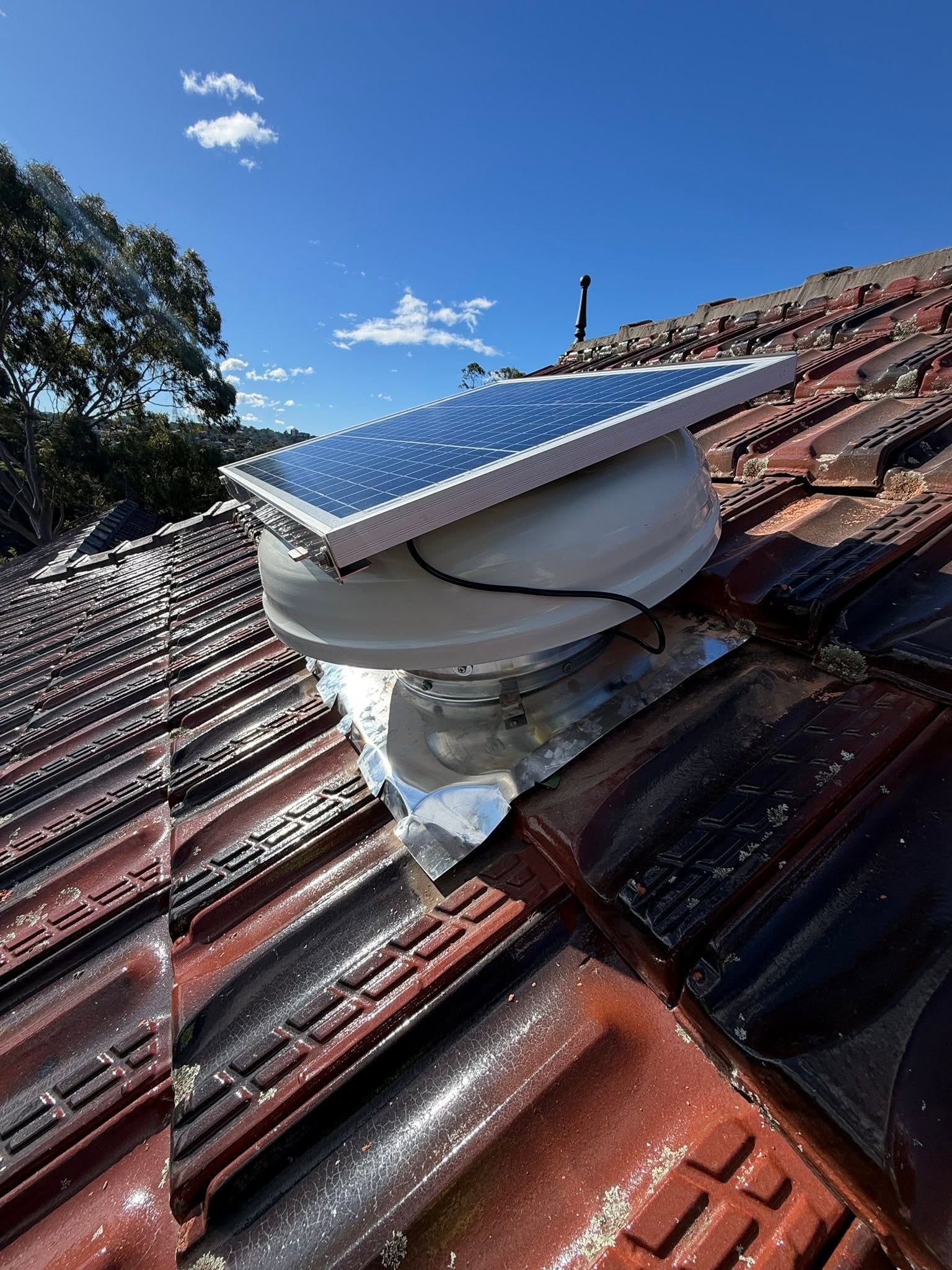
SolarWhiz installations from the EGT job diary
Verified project photographs show different roof types and installation arrangements.
Common questions
Clear answers, with practical limits
Is SolarWhiz suitable for my roof?
Suitability depends on roof design, solar exposure, access, cavity layout and the airflow problem being addressed. Property details are needed before recommending a system.
How does SolarWhiz compare with a whirlybird?
They operate differently: a solar-powered unit uses available solar energy to drive a fan, while a passive turbine depends on air movement and temperature effects. A specific comparison requires current product data and the property conditions.
Can SolarWhiz eliminate roof heat?
No roof ventilator should be described as eliminating all heat. A suitable system may help extract hot roof-cavity air, while insulation, building design and weather still matter.
Do you supply and install SolarWhiz?
EG Technics discusses SolarWhiz supply and installation for suitable applications. Final scope and availability are confirmed for the individual enquiry.
Explore related services and projects
Start with the problem
Need help with heat, dampness or poor airflow?
Tell us about the property, the space and what you are noticing. We will discuss the most useful next step.